

Waste Is Usually Bigger Than the Price Difference
Buyers focus naturally on the price per metre, but in plush products the fabric utilisation rate often has a larger effect on total cost than the unit price. A product that wastes fifteen percent of its fabric is paying for that waste on every unit, permanently. Improving utilisation is usually more valuable than negotiating a few percent off the metre rate.
Where Waste Actually Comes From
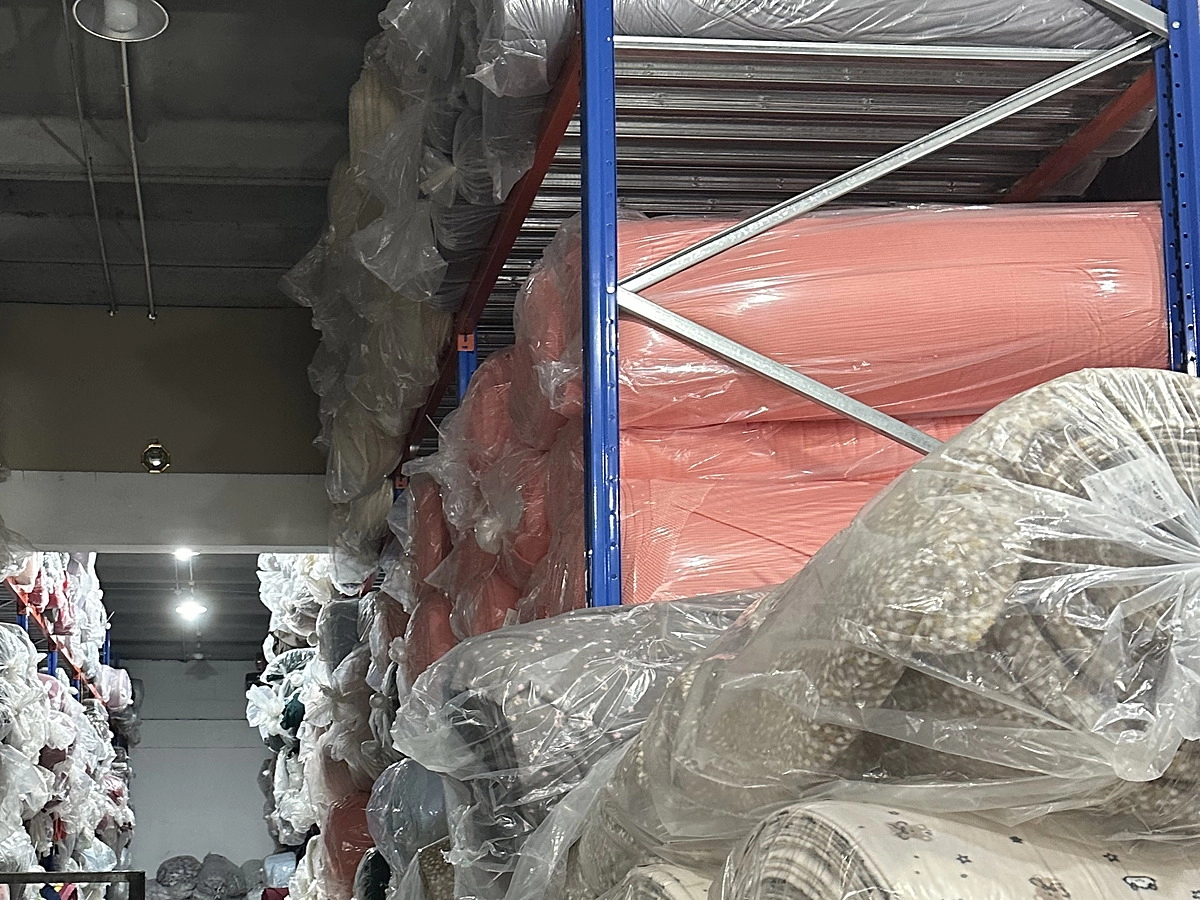
The largest single source is pattern layout. Nested patterns that ignore nap direction waste less material but can create visible shade and texture inconsistencies in the finished product, so the material saving is often paid back in quality problems. The second source is roll end loss, the unusable remainder at the end of each roll. The third is defect avoidance, where flaws force the cutting team to work around them.
Nap Direction Is the Constraint That Shapes Everything
Plush has a direction. Panels cut against the nap reflect light differently and the assembled product shows visible mismatch. This means patterns cannot simply be rotated to save material. The practical solutions are to choose a construction with less directional sensitivity for complex patterns, to accept a higher utilisation target rather than chase the theoretical minimum, or to design the product so panels are cut in a way that respects direction naturally.
Practical Levers That Reduce Cost
- Standardise roll widths across your product range so offcuts are reusable
- Design panels to fit the roll width rather than adapting after the fact
- Consolidate several products onto one fabric specification to increase volume
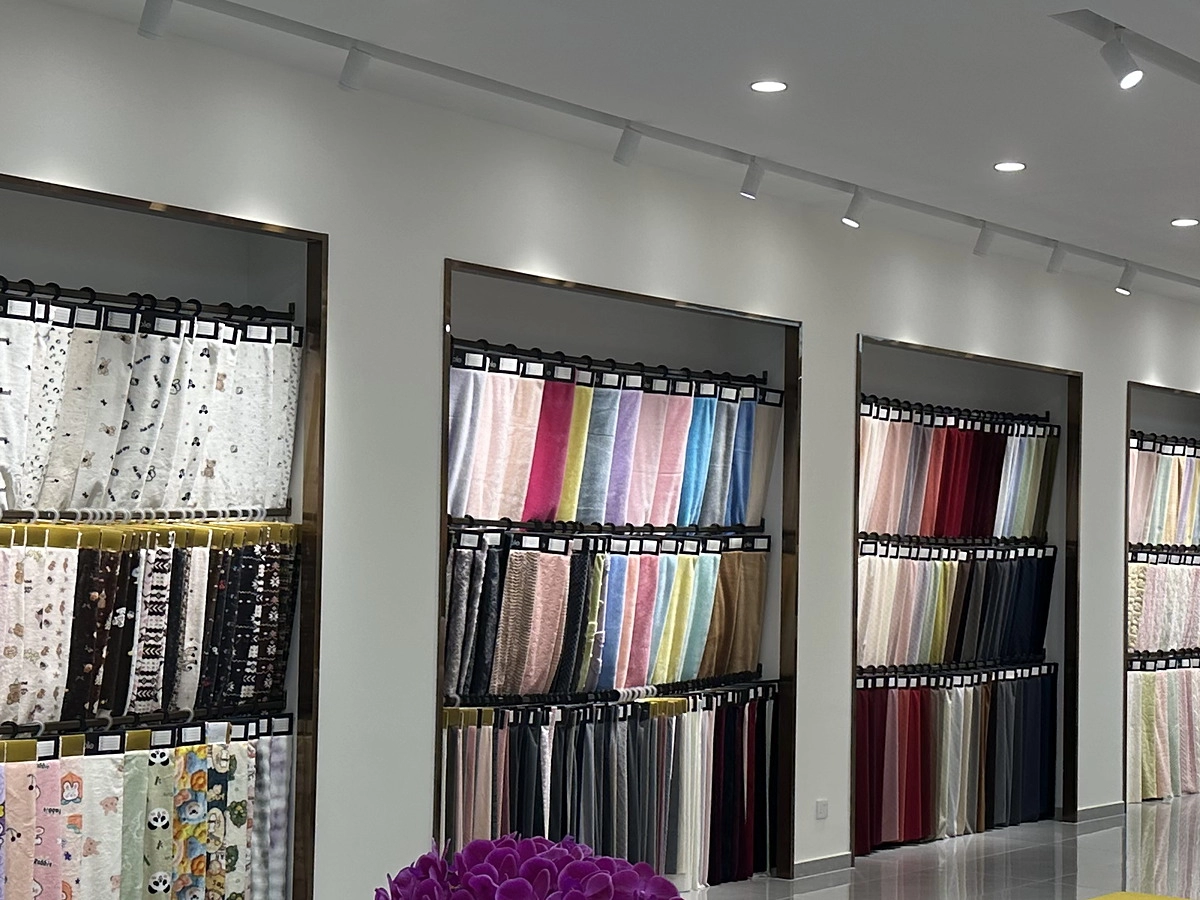
- Reduce the number of distinct colours in a collection to cut dye setup and remnant stock
- Plan cutting so smaller components use the remainder from larger panels
Balancing Quality Against Yield
Aggressive yield targets on plush are risky. The material behaves differently across the roll and around the selvedge, and a layout that looks efficient on paper may produce visible defects in practice. Set a realistic utilisation target, then hold process discipline to achieve it rather than pushing the target beyond what the material supports.
Working With an Integrated Supplier
Shaoxing Yuejin Textile holds roughly four to five thousand square metres of warehouse space in the Jinchang industrial park alongside a production base of more than six thousand square metres, and maintains more than twenty stock varieties extendable into multiple specifications. That breadth makes it practical to standardise widths and consolidate products onto fewer fabric specifications, which is where most of the durable waste reduction actually comes from.