
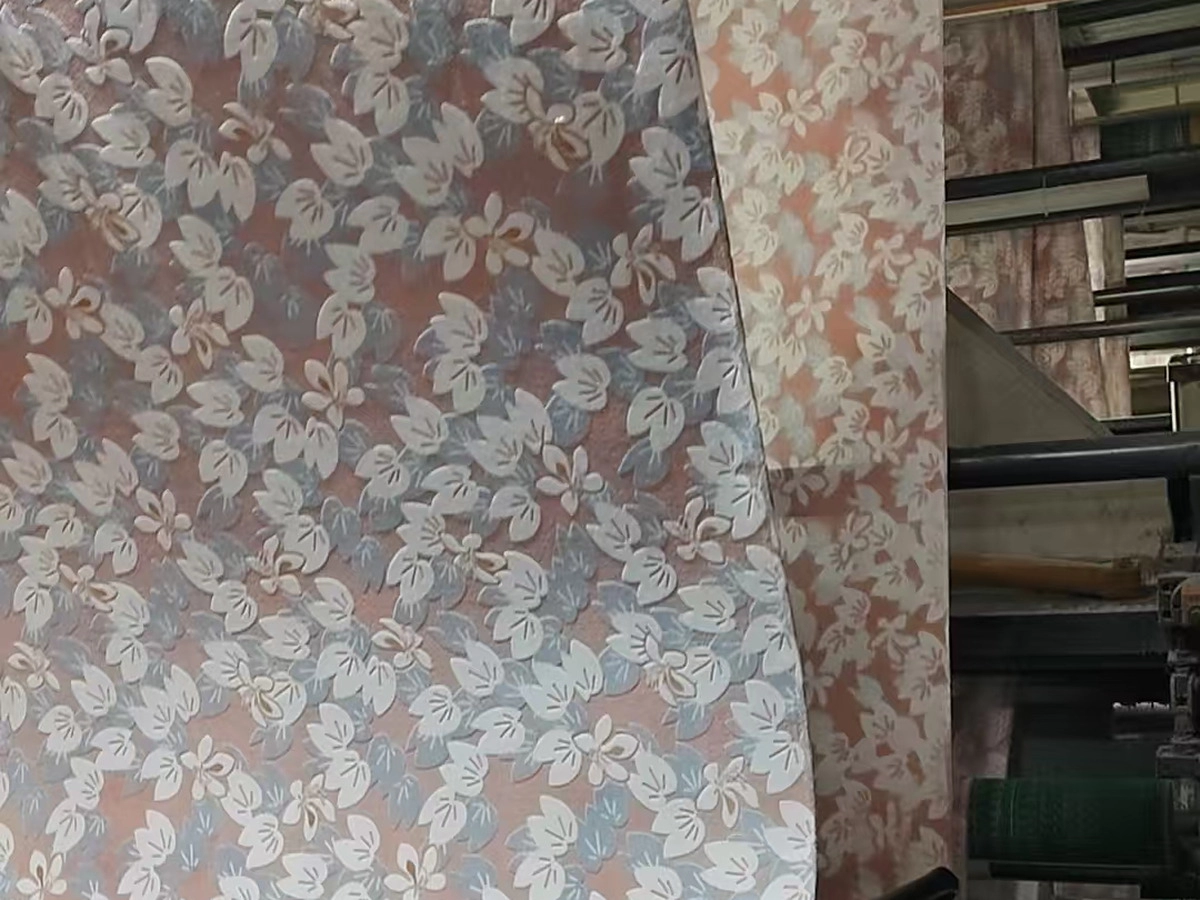
Seasonality Is Structural Not Temporary
Plush demand is not evenly distributed through the year. Orders concentrate in the months preceding the northern hemisphere winter selling season, and the pressures that produce lead time slippage appear every year at the same time. Treating that pattern as an anomaly leads to annual firefighting. Treating it as a structural feature of the industry leads to a sourcing plan that accounts for it.
Why Mills Consolidate Development in the First Half
Production planning in the Keqiao cluster follows a consistent rhythm. The first half of the year is when sampling, new pattern development and product trials are concentrated, because capacity is comparatively free and development work does not compete with bulk output. The second half shifts to volume production. A supplier that understands this rhythm can give a buyer honest sampling lead times and realistic bulk windows rather than a single optimistic figure.
Practical Steps to Protect Peak Season
- Complete sampling and approval in the quieter first half rather than pushing it into peak
- Place bulk orders with a written delivery date tied to your retail window
- Confirm which fabric constructions are held in stock as a buffer against delay
- Avoid introducing a brand new custom colour at the same time as a peak volume order
- Keep a second specification ready that can be substituted without redesigning the product
Designing for Substitutability
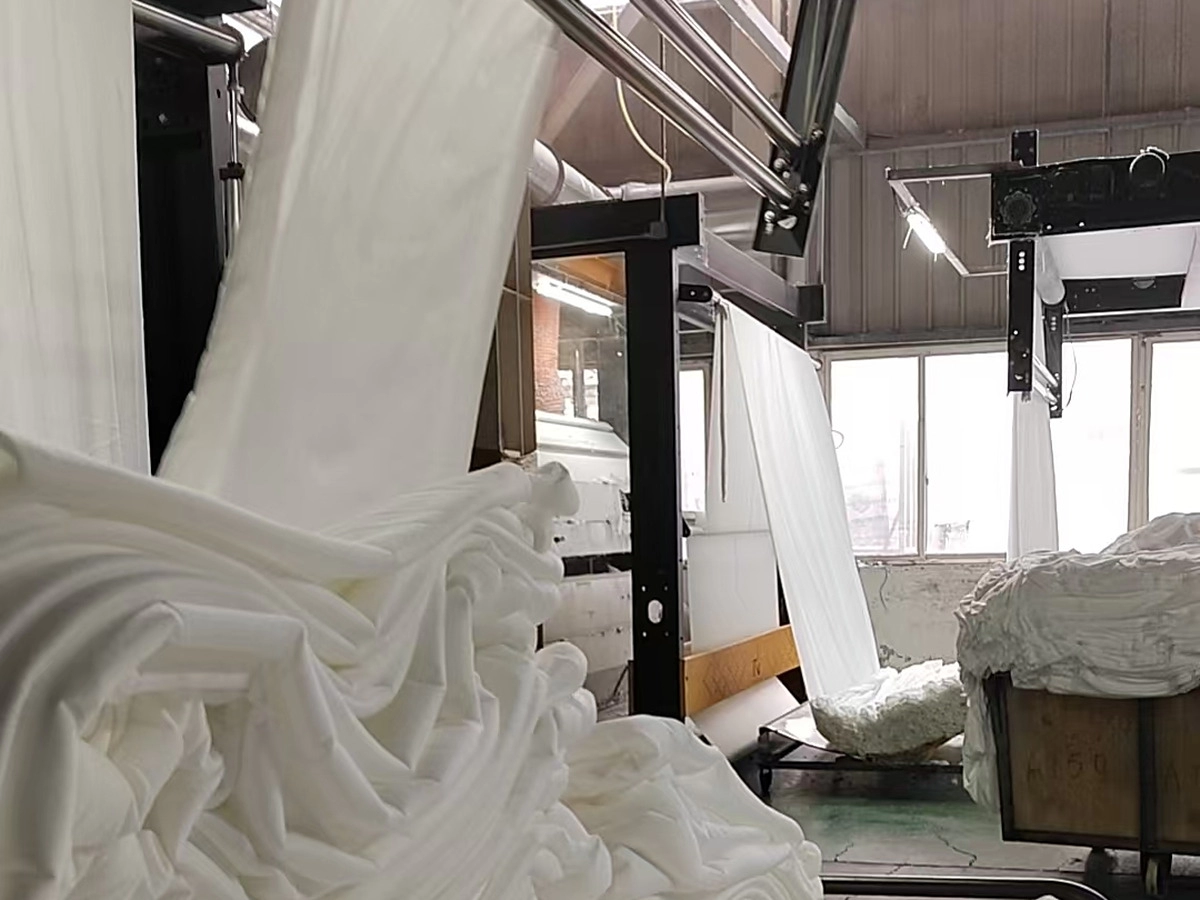
The most effective resilience measure is designing products so that more than one fabric specification will work. If a product functions with either coral fleece or flannel at a comparable weight, a delay in one family does not stop the line. Products designed around a single irreplaceable construction have no flexibility at all when that construction is constrained.
The Value of Inventory Depth
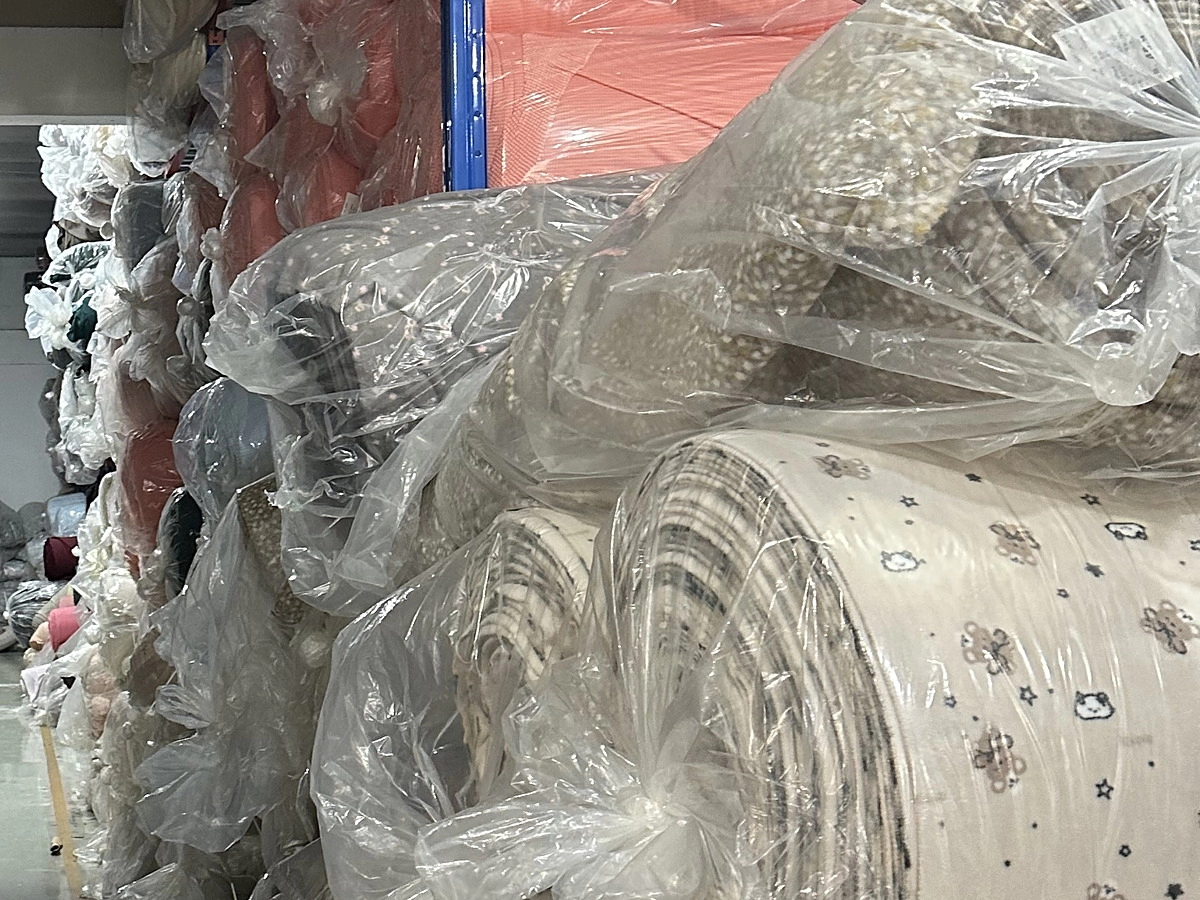
Stock holding is what converts a promise into a delivery. A supplier maintaining meaningful warehouse capacity can absorb short notice requirements and protect customers during peak. Shaoxing Yuejin Textile operates roughly four to five thousand square metres of warehousing in the Jinchang industrial park alongside its production base, and keeps more than twenty plush varieties in stock with multiple specifications per variety, which is the inventory structure that makes rapid response and stable large volume delivery possible at the same time.
Review the Plan Every Season
Supply chains drift. Revisit which specifications you actually ordered, which ones caused delays, and where substitutions were needed. That review is the input for the next season's plan, and it is far more useful than reacting to each disruption as it arrives.