Two Terms That Are Often Used Interchangeably
OEM and ODM appear in almost every supplier capability statement, yet they describe genuinely different working relationships. Choosing the wrong model for your situation leads either to paying for development you did not need, or to finding that the supplier cannot deliver the level of customisation you assumed.
What OEM Means in Practice
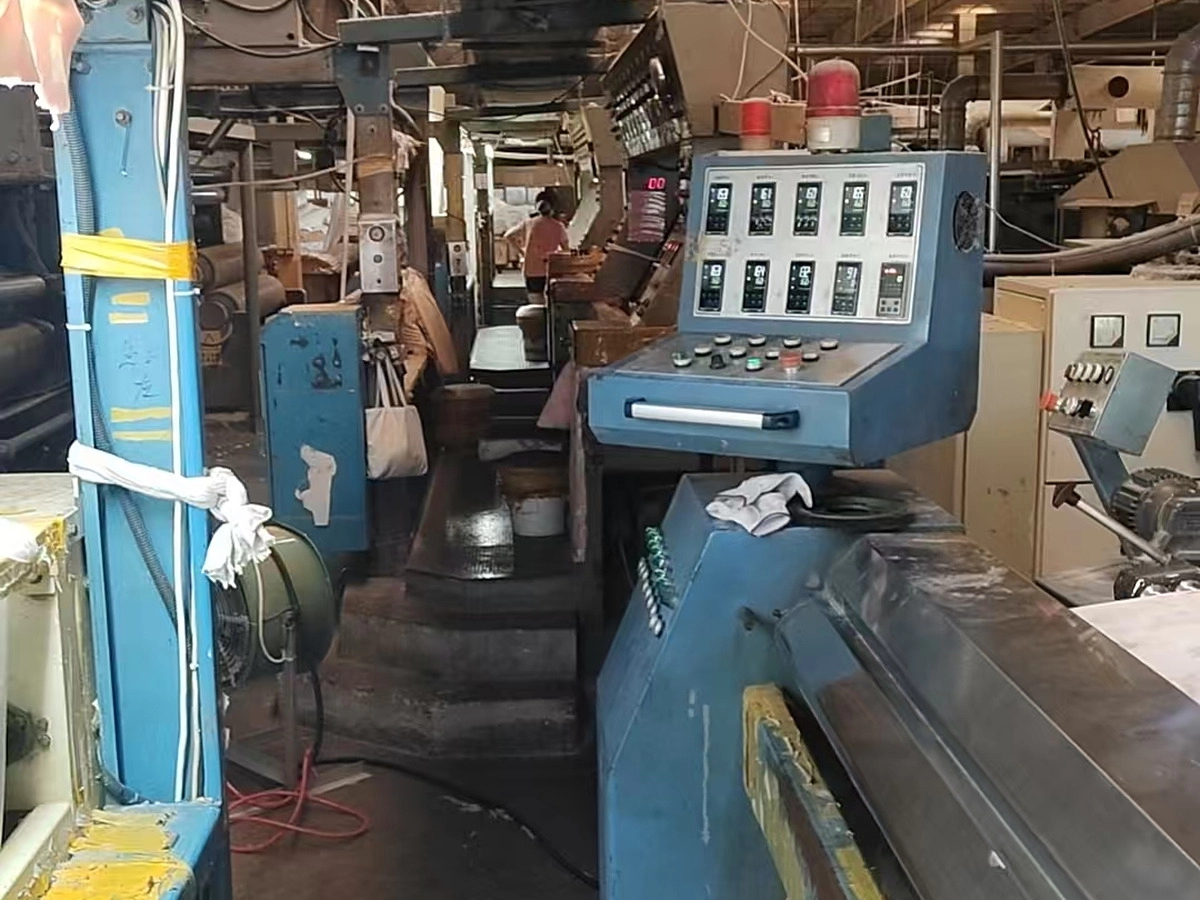
OEM describes manufacturing to a customer's specification. The buyer supplies the design intent, the artwork or pattern, the specification and often the packaging, and the mill produces to that brief. Responsibility for the design sits with the buyer. In plush terms this means you bring the gram weight, fibre, colour or print pattern, and finished product construction, and the mill executes it consistently at volume.
What ODM Means in Practice
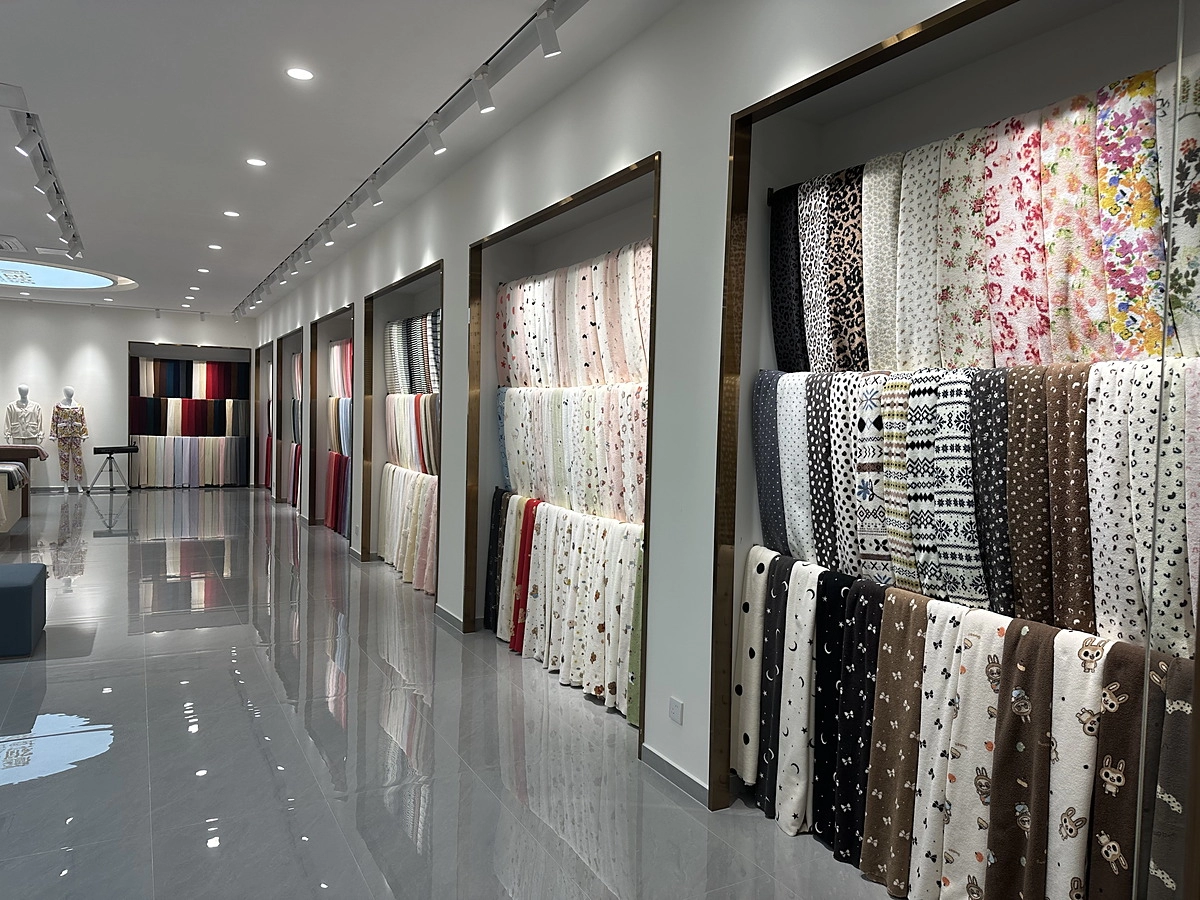
ODM describes manufacturing from the supplier's own developed designs. The mill maintains a catalogue of fabrics, finishes and finished product constructions, and the buyer selects from that range, typically with light customisation such as a private label, a packaging change or an existing shade. Development risk and design cost sit with the mill, which is why ODM programmes generally move faster from enquiry to production.
How to Tell Which You Actually Need
- Choose OEM when the design is your commercial differentiator and must remain exclusive
- Choose ODM when speed to market matters more than exclusivity
- Consider a hybrid when you have a clear concept but want the mill's manufacturing input
- Confirm which party owns any new pattern or construction developed during the project
Where the Cost Sits
OEM often carries visible development cost in the form of sampling, strike offs and setup, but the result is a product the buyer controls. ODM usually has lower upfront cost because development is amortised across many customers, but the resulting design is rarely exclusive and may appear with other buyers in the same market.
Packaging and Private Label
Both models can accommodate private label. Neutral packaging and customer supplied labels or tags are a standard request, and the practical question is whether the required packaging is something the mill can source and apply within the quoted lead time. Confirm this at sampling rather than at production, since packaging is a frequent source of last minute delay.
Working With a Development Capable Mill
Shaoxing Yuejin Textile supports both routes. The company maintains more than twenty stock plush varieties extendable into multiple specifications for ODM style selection, and a design and management team that handles OEM style custom development, with customisation to drawings or samples and neutral or custom labelled packaging available. It also runs a seasonal development cycle, concentrating new pattern and specification work in the first half of the year, which suits buyers who want to develop a differentiated line rather than select from a catalogue.