
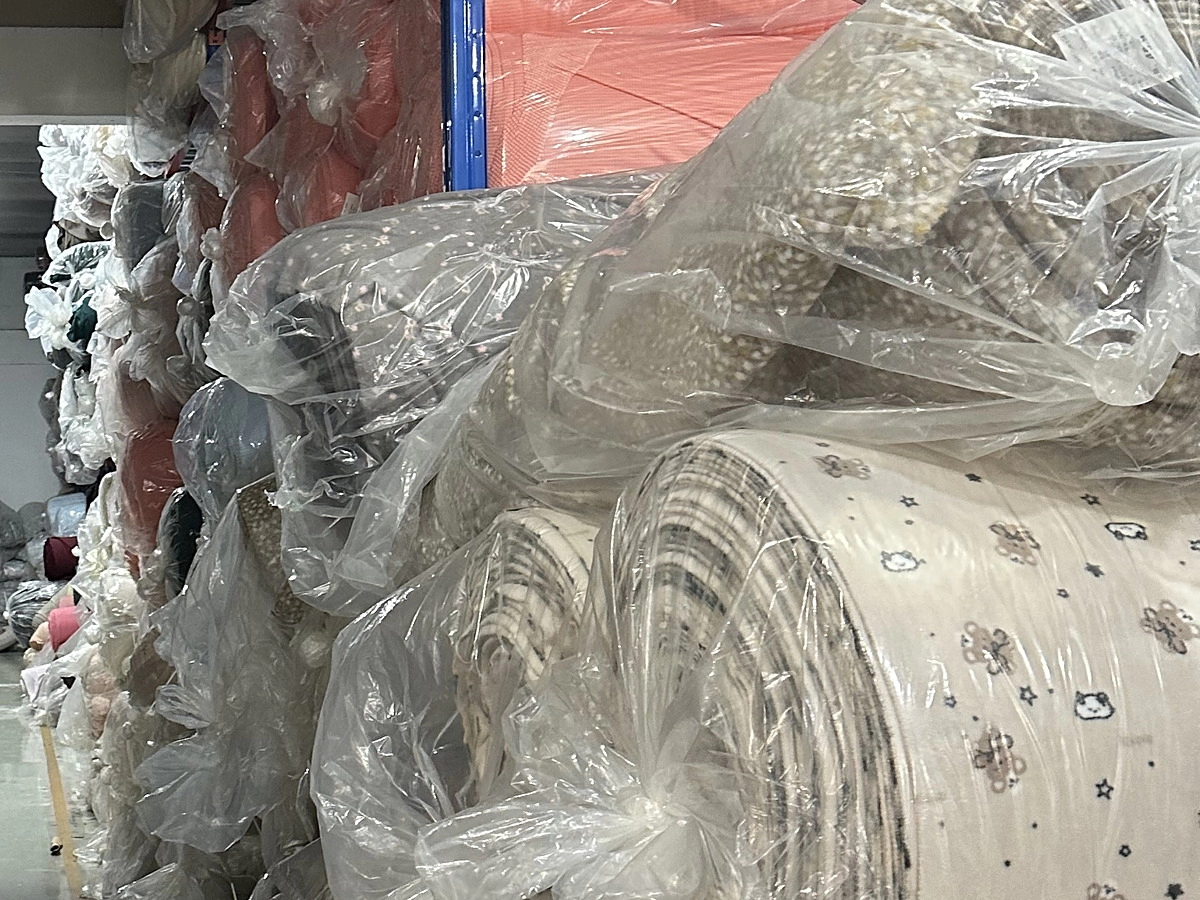
The Finished Blanket Is an Engineered Assembly
Buyers sometimes specify a quilted blanket by naming only the face fabric and a weight. In reality the warmth, drape and durability of the finished article emerge from the interaction between the face fabric, the wadding and the quilting method. Treating it as a single variable is the most common reason a sample arrives feeling different from what was expected.
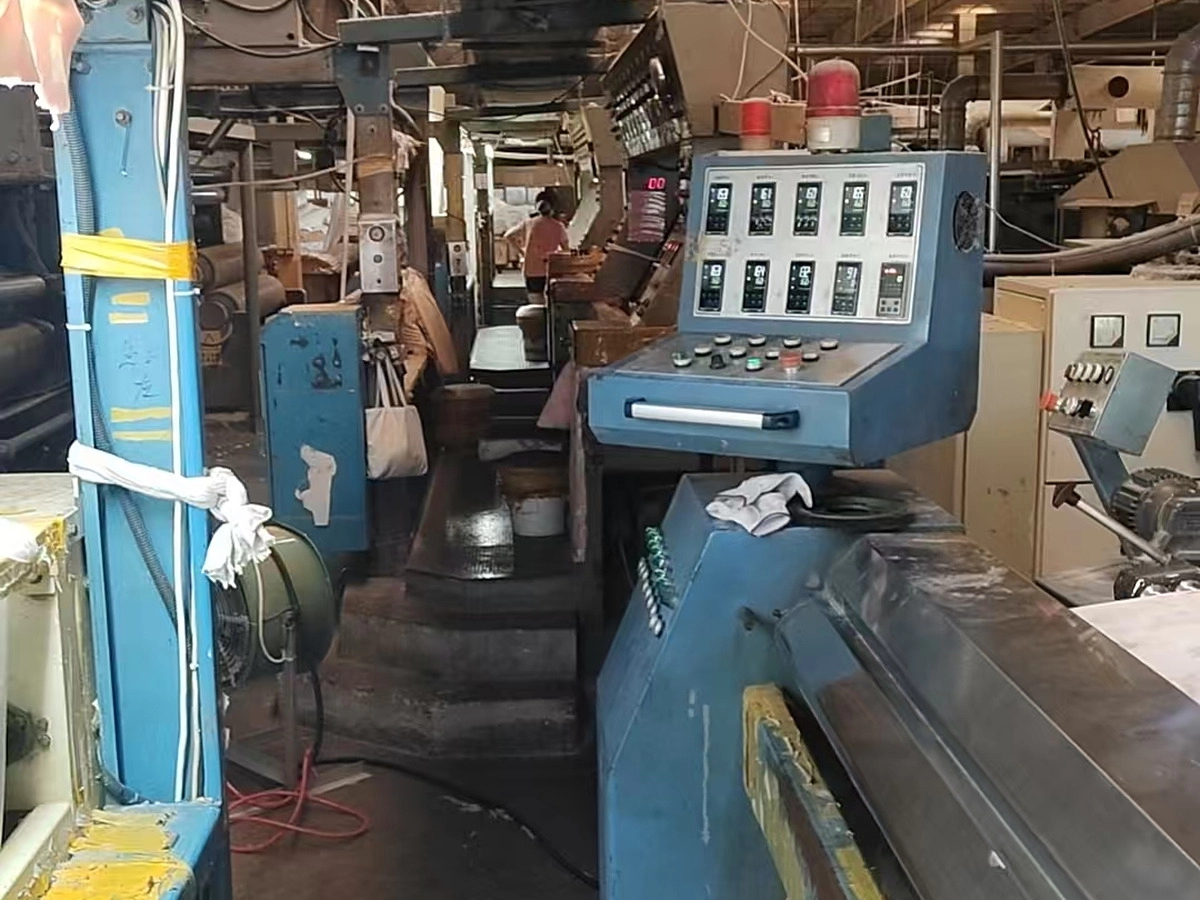
The Role of the Face Fabric
The face fabric determines how the product feels to the touch and how it reads visually. Brushed flannel gives a dense, warm surface with crisp fold lines that suit structured bedding. Coral fleece gives a softer, airier surface that drapes more loosely. Because the face fabric is what the customer sees and touches, it should be chosen for the experience being sold, while the wadding handles the thermal engineering.
Choosing Wadding
Wadding provides the loft that traps air and produces warmth. Its thickness, fibre type and resilience matter more than its weight alone. A resilient wadding recovers its loft after compression, which keeps the blanket looking full after shipping and storage. A low resilience wadding compresses permanently and leaves the product looking flat on arrival, a failure mode that is very visible in a retail setting.
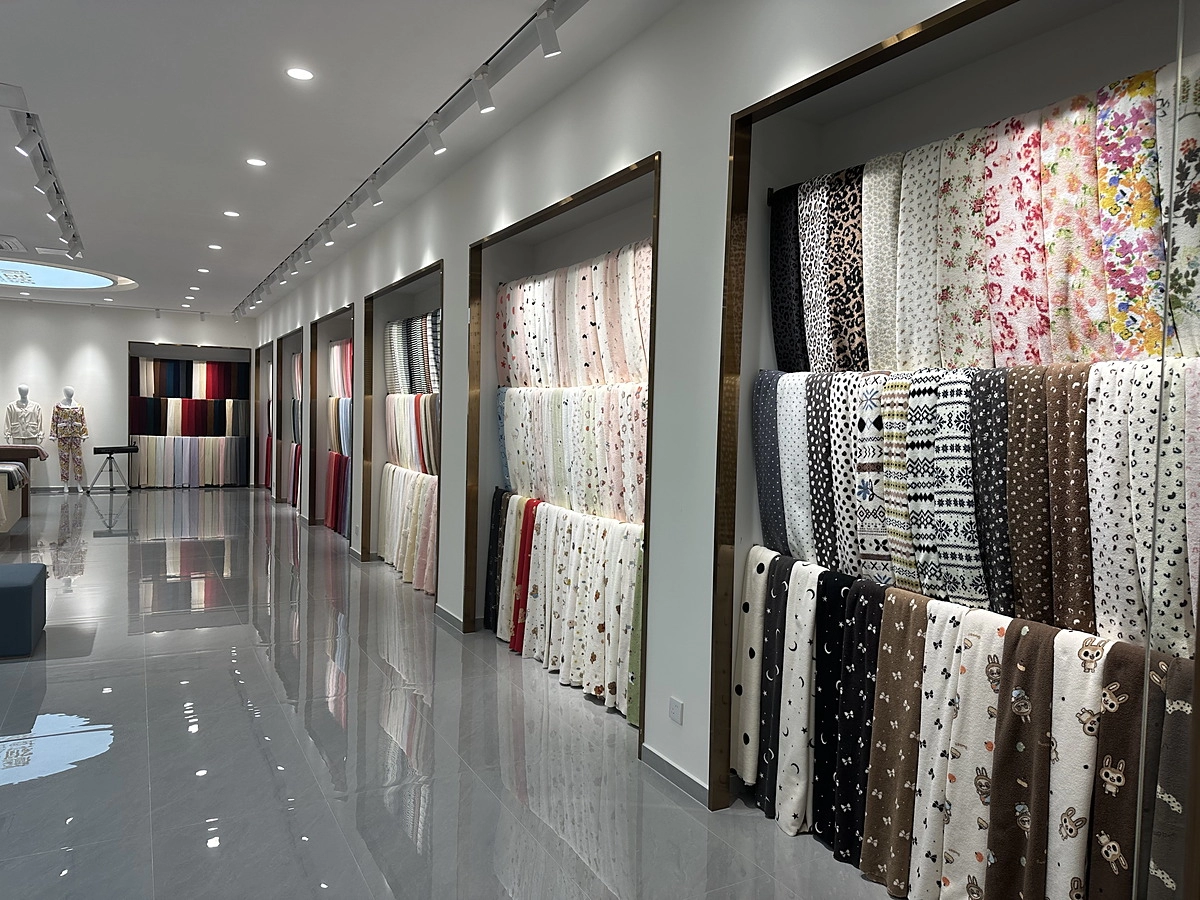
Quilting Method and Pattern
The quilting pattern is not purely decorative. A denser pattern with more stitching lines holds the wadding more firmly and resists migration, but it stiffens the drape. A wider pattern preserves softness and drape but allows more wadding movement. Box quilting and channel quilting each produce a recognisable look and handle differently, so the pattern should be chosen with the intended feel in mind.
Points to Confirm on a Quilted Sample
- Face fabric gram weight measured after finishing, not greige
- Wadding type, thickness and loft recovery behaviour
- Stitch density and whether stitch lines are straight and consistent
- Edge finishing method, since binding and overlocking wear differently
- Behaviour after a full washing and drying cycle, not just on arrival
Production Capacity for Quilted Goods
Shaoxing Yuejin Textile operates more than twenty high speed quilting machines alongside ultrasonic equipment, with daily capacity of twenty thousand metres on quilted products and thirty thousand metres on ultrasonic products. Because the mill also produces the face fabric, it can adjust the fabric specification to suit the quilting and wadding plan rather than forcing the finished product to accommodate whatever fabric happens to be available.