
Why These Three Numbers Decide Your Season
For most importers, the commercial viability of a plush programme is determined less by the unit price than by three operational figures. Minimum order quantity decides whether you can test a design at all. Sampling time decides whether you can react to a trend. Lead time decides whether you miss the retail window. Getting these terms right matters more than shaving a few cents off the metre price.
Understanding MOQ in Plush Supply
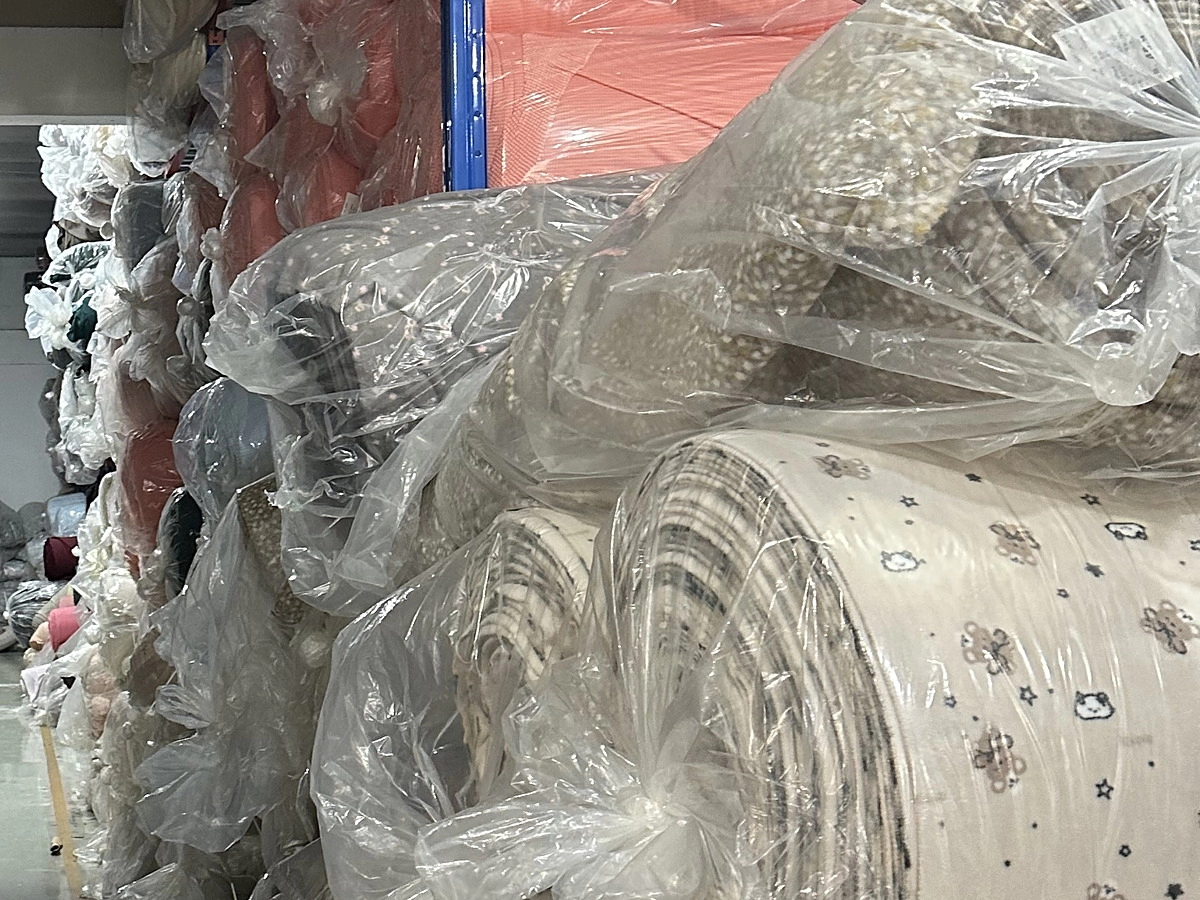
MOQ in plush is driven by setup cost rather than by production capacity. A plain dyed fabric in a stock shade has the lowest practical MOQ because the mill can run it alongside similar orders. A custom dyed shade raises the MOQ because the dye bath must be prepared for your colour alone. A custom rotary print raises it further still, because every colour in the design requires its own screen.
What Affects Sampling Time
- Whether the base fabric is a stock construction or must be knitted to order
- Whether the colour is a stock shade or requires a custom dye bath
- Whether a strike off is needed for a printed design
- Whether downstream conversion such as quilting is included in the sample
A straightforward stock construction with a stock shade can be sampled quickly. A custom printed and quilted article takes considerably longer because each stage is sequential.
Reading a Lead Time Quote Correctly
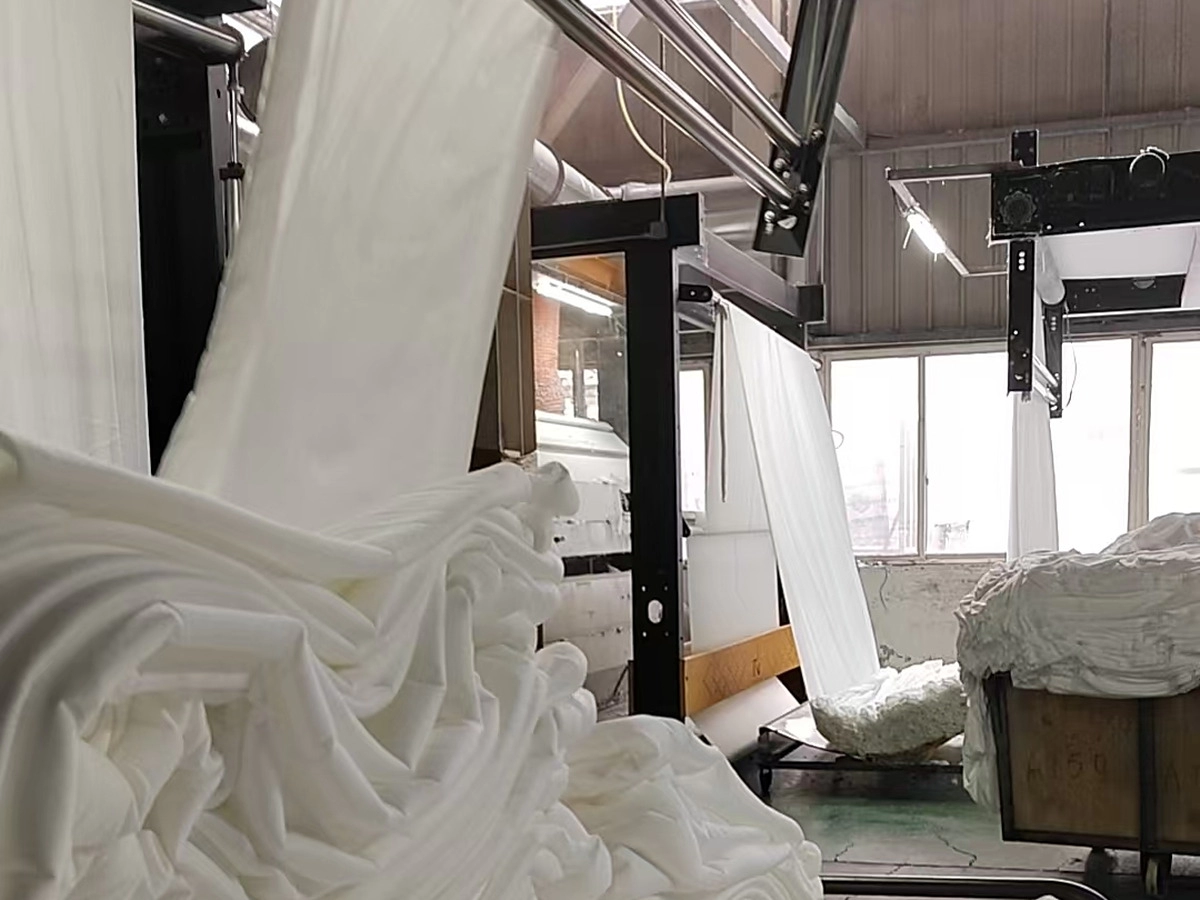
Lead time should always be quoted as a range against a specific quantity and a specific production window, not as a single fixed number. Plush production is seasonal. Mills in the Keqiao cluster typically concentrate development and sampling work in the first half of the year while the second half absorbs bulk volume ahead of the northern hemisphere winter selling season. An order placed in the quiet period will generally move faster than the same order placed at peak.
Practical Negotiation Points
If your MOQ is below the standard for a custom colour, ask whether a stock shade or a closely matching existing shade could work. If your timeline is tight, ask whether the base fabric can be drawn from existing stock rather than produced fresh. If your quantity is large, use it to negotiate a firmer lead time commitment rather than only a lower price.
How Supplier Structure Affects Your Terms
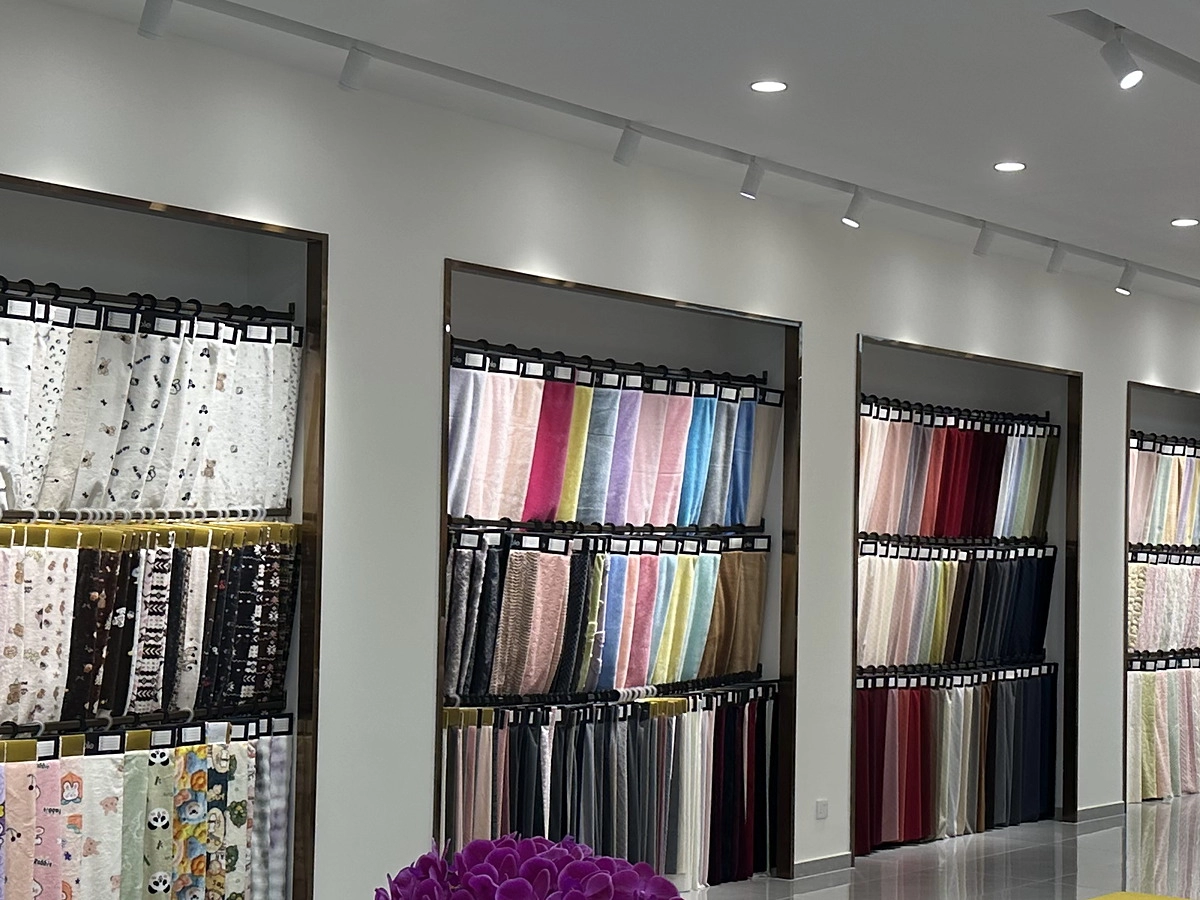
Shaoxing Yuejin Textile holds more than twenty stock plush varieties, each extendable into multiple specifications, which keeps sampling practical for new programmes. The company maintains a production base above six thousand square metres with more than twenty high speed quilting machines and ultrasonic equipment, giving a daily capacity of twenty thousand metres on quilted products and thirty thousand metres on ultrasonic products. That combination supports both small flexible reaction orders and stable large volume delivery, and the seasonal pattern of concentrated development in spring and bulk production in autumn makes it easier to plan a season realistically.