
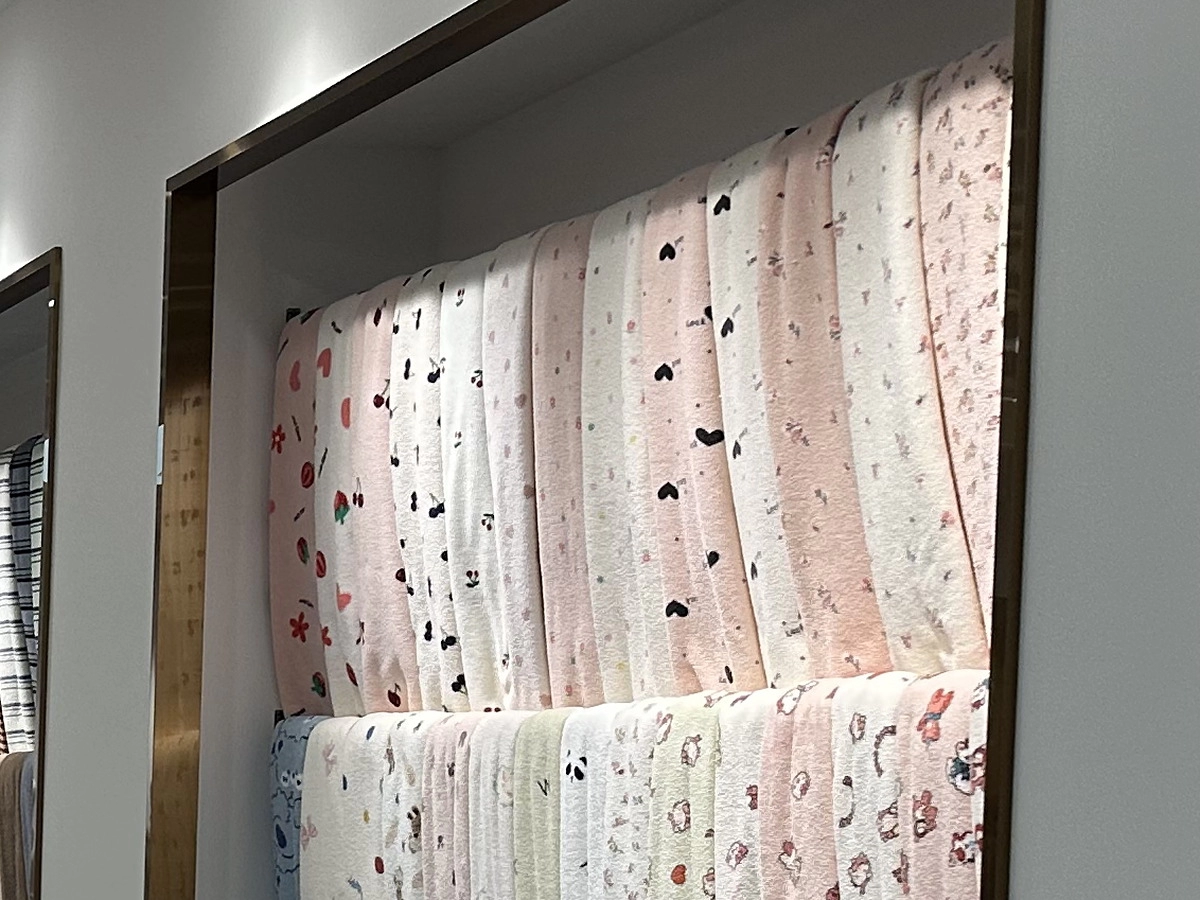
Start With a Clear Specification Not a Price Request
The most common mistake first time buyers make is sending a bare request for price. A mill receiving a vague enquiry can only respond with a generic figure that will not survive contact with reality. Instead, open with the information that determines cost: fabric family, target gram weight measured on finished goods, width, colour or pattern requirement, approximate quantity and your target delivery window.
Step One, Request Samples and Reference Swatches
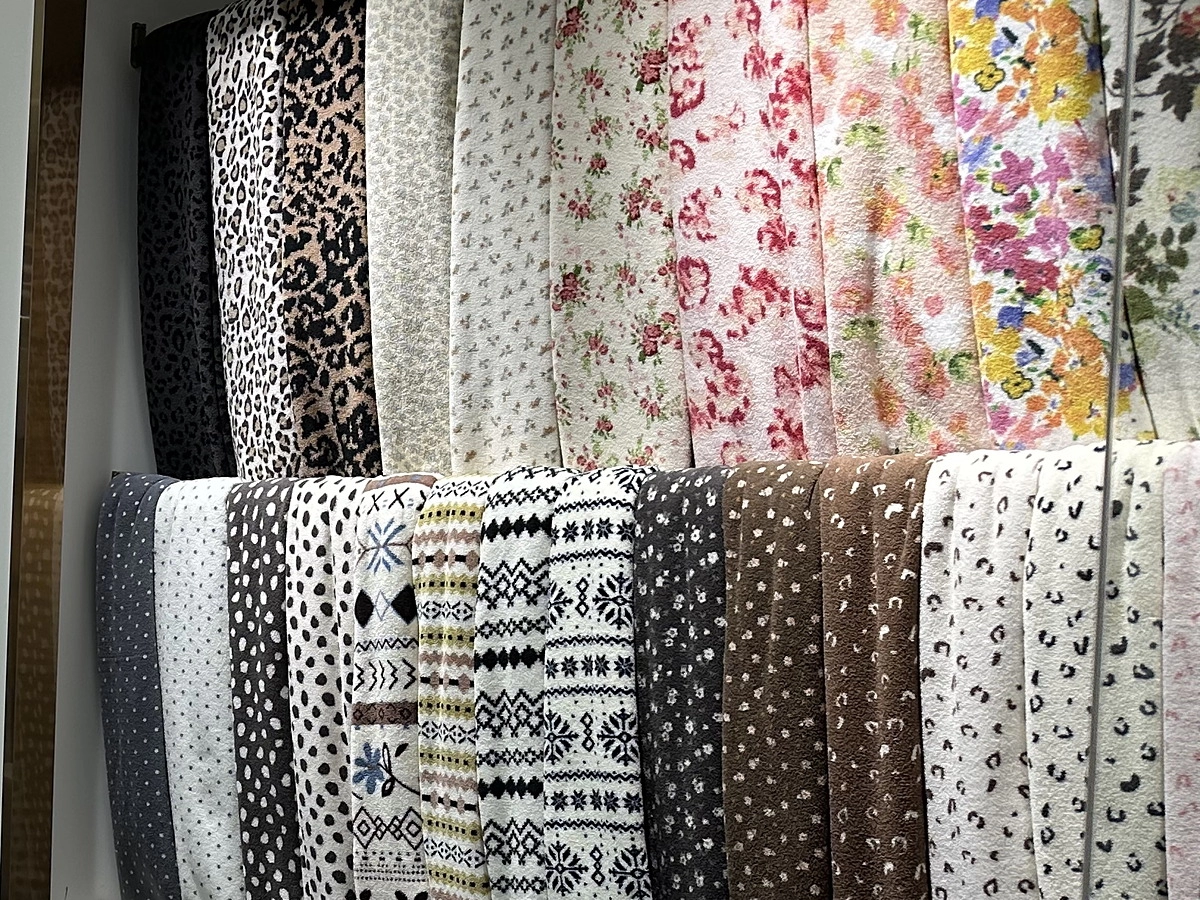
Ask for physical samples of the constructions you are considering, plus a colour card if you are working with stock shades. Physical samples matter because photographs of plush fabric are unreliable. The same cloth photographed under different lighting can look like two different products.
Step Two, Compare on Like for Like Terms
When quotes arrive, normalise them before comparing. Confirm whether the weight quoted is greige or finished, whether the price includes dyeing or printing, what the minimum order quantity is, and what the payment terms are. A lower headline price that excludes printing is not a lower price.

Step Three, Develop and Approve a Sample
- Confirm the sample is made at production gram weight, not a lighter presentation weight
- Wash and dry the sample before approval
- Check colour fastness by rubbing with a white cloth, dry and wet
- Seal and retain the approved sample as the reference for bulk
Step Four, Agree Terms Before Production
Typical arrangements involve a deposit with the balance against shipping documents, and a production window that varies through the year. Confirm the lead time in writing against your required delivery date rather than assuming a standard figure, and confirm which party arranges inspection.
Step Five, Inspect Before Shipment
Arrange inspection before the goods leave the factory. Check weight per roll, colour against the sealed sample, nap consistency, and the presence of joins or defects. Catching an issue at the factory is dramatically cheaper than catching it at the port of destination.
Why Supplier Integration Reduces Risk
Shaoxing Yuejin Textile operates from the China Textile City cluster in Keqiao, with a production base of more than six thousand square metres, a warehouse of roughly four to five thousand square metres, and a seasonal rhythm that concentrates development in the first half of the year and bulk production in the second. For a first time importer, dealing with a supplier that greige, dyes, finishes and converts under one roof removes much of the coordination risk that makes early orders go wrong.