
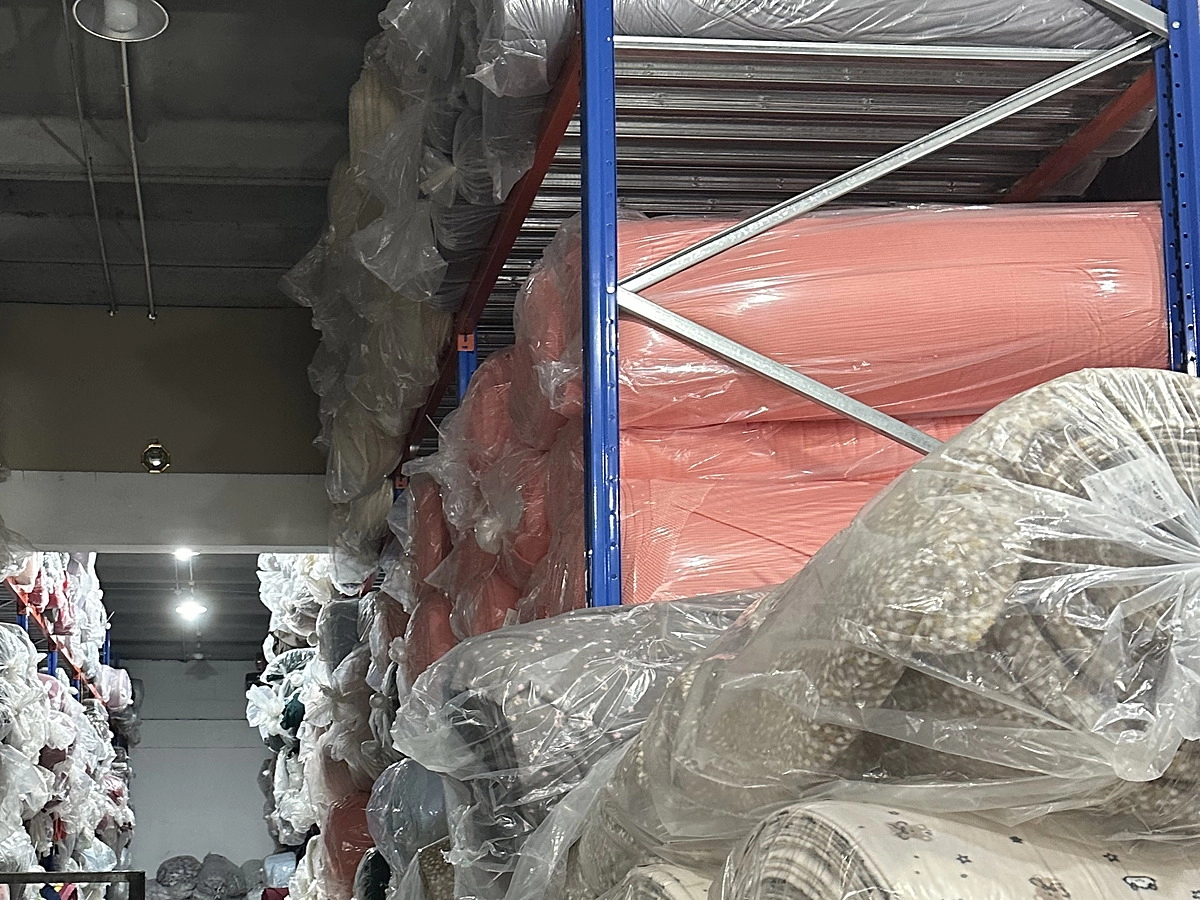
Why Fastness Matters More in Plush Than in Flat Fabric
Plush surfaces present far more fibre ends to the environment than flat woven cloth. Those raised fibres are where dye loss, crocking and transfer show up first. For a toy that a child holds against a cheek, or a blanket used against skin, a fastness failure is not a minor defect. It is a consumer safety and reputation issue that can trigger returns across an entire production run.
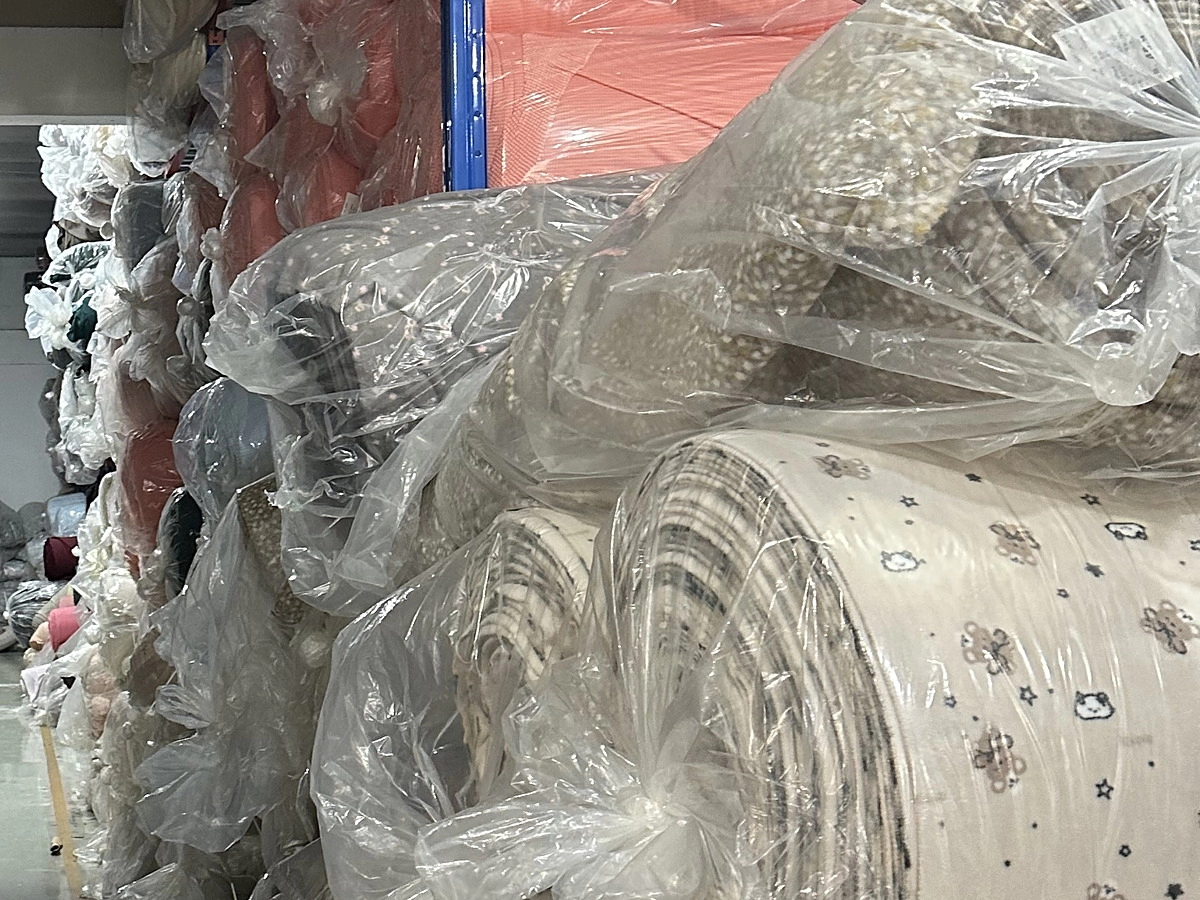
The Ratings Buyers Should Specify
Finished plush is normally assessed on three fastness dimensions. Colour fastness to rubbing, sometimes called crocking, is measured both dry and wet and is the most commercially important for plush. Colour fastness to washing shows how much colour bleeds into the wash liquor and how much the shade shifts after laundering. Colour fastness to light indicates how quickly the shade fades under exposure. Each is reported on a scale where a higher number is better.
Typical Requirements by End Market
- Plush toys and children's products generally require strong rubbing and saliva resistance
- Bedding and blankets generally require strong washing and light fastness
- Pet products require strong rubbing fastness and resistance to repeated laundering
Requirements differ by destination market and by retailer. Confirm the standard your customer actually applies rather than assuming a generic level will satisfy it.
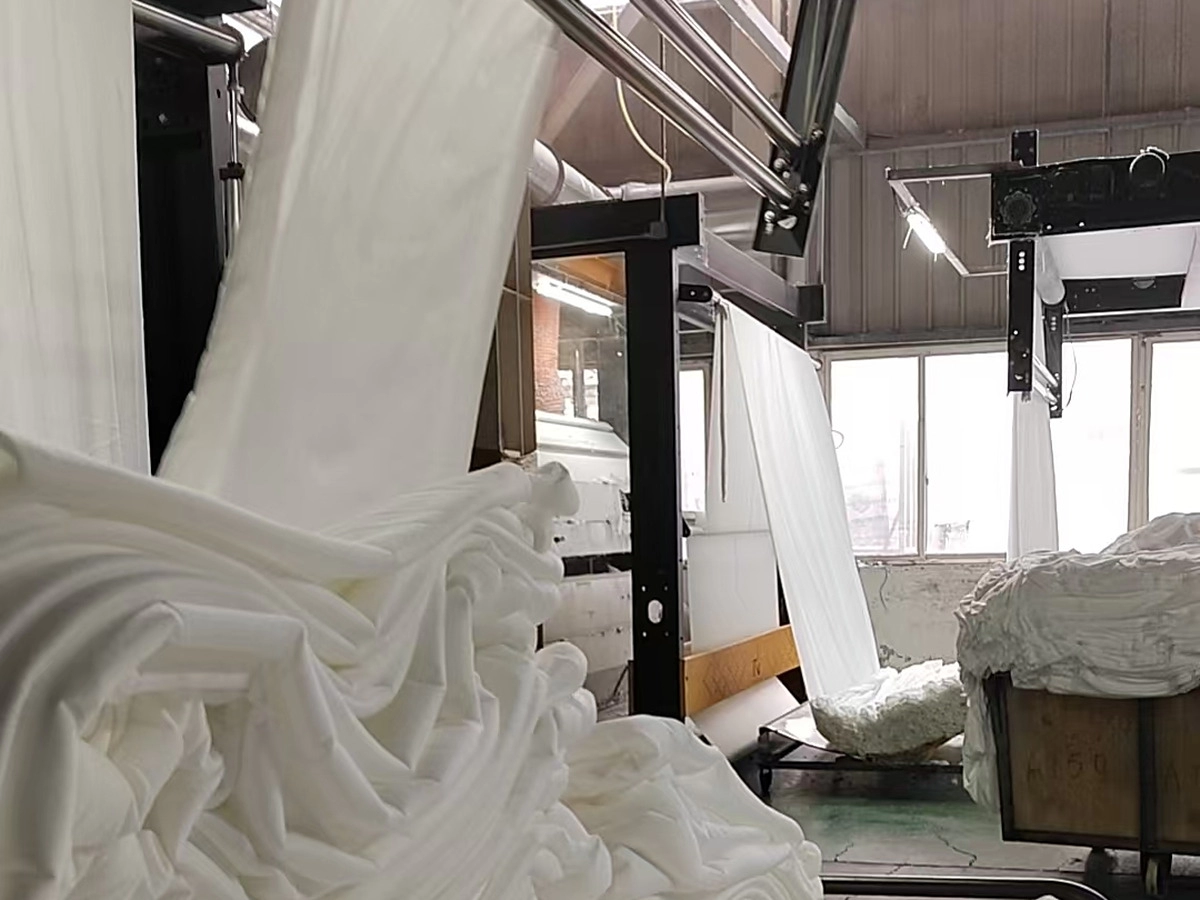
How to Test Without a Full Laboratory
A simple pre-screen is useful before laboratory verification. Rub a white cotton cloth firmly across the pile both dry and after wetting, and inspect the cloth for transferred colour. Then wash a sample at the temperature your end user would use and check both the shade of the fabric and the clarity of the wash water. These checks will not replace a certified test report, but they surface obvious problems early.
Where Fastness Problems Originate
Most failures trace back to three causes. Insufficient dye penetration into a dense nap is the most common, particularly on heavier fabrics. Inadequate rinsing leaves unfixed dye on the fibre surface. Poor dye selection for the fibre blend produces a shade that looks correct initially but shifts after the first wash. All three are process issues, which means they are correctable when the mill controls dyeing rather than subcontracting it.
Building Fastness Into the Order
Specify the rating you need in the purchase order, agree which party pays for third party testing, and retain a sealed sample from bulk for comparison. Shaoxing Yuejin Textile applies graded quality control across the production flow and aligns fastness and gram weight targets to the customer's stated application, which makes it practical to lock fastness requirements into the order rather than discovering them at inspection.